
Do you ever finish a long day feeling completely worn out? Your shoulders are tight, and your mind feels totally scattered. You are definitely not alone. Most of us carry heavy pressure without even knowing it. Learning how to manage daily stress is essential for your well-being. Today, we will explore four simple ways to relax your body and quiet your mind.
Pressure builds up fast during a busy workday. Your nervous system goes into overdrive when deadlines pile high. This triggers a sharp increase in cortisol levels across your body. Higher stress hormones lead to sore muscles, poor sleep, and low energy. Fortunately, targeted habits can quickly reverse this uncomfortable state. Here are four natural methods to restore comfort and balance today.
Tap into deep breathing for Rapid stress relief
Your breath is a powerful remote control for your brain. Short, shallow chest breaths send danger signals to your body. Deep abdominal breaths do the exact opposite. They trigger instant relaxation and slow down a racing heart. Focused exhale cycles tell your brain that you are safe. This simple change lowers cortisol levels in a few seconds. If you ever need professional pampering to pair with breathwork, visiting the best spa in Discovery Gardens Dubai provides deep, expert physical relief.
Try practicing controlled breathwork when pressure starts to mount. The 4-7-8 method works wonders during tough moments. It stands out as one of the best breathing exercises for immediate stress relief. Inhale quietly through your nose for 4 seconds. Hold that breath gently for 7 seconds. Then, exhale slowly through your mouth for 8 seconds. This acts as one of those quick mental reset techniques for high stress days.
To see how different breathwork styles compare, check out this simple breakdown:
| Breathing Style | Main Target Area | Best Time to Use | Main Physical Benefit |
| Diaphragmatic Breathing | Lower abdominal expanding | Morning setup or desk breaks | Reduces muscle tightness and stabilizes pulse |
| 4-7-8 Technique | Extended exhale control | Before big tasks or bedtime | Triggers fast nervous system calm |
| Box Breathing | Equal count holding | Midday chaos or pre-meeting | Boosts mental focus and steady control |
Adding these breathing exercises to your day builds a reliable defense against unexpected pressure. Taking just three quiet minutes between tasks resets your focus. This quick habit stops energy crashes before they even start. It also gives your mind a well-deserved moment of peace.
Unwind Stored Tightness with a Systematic body scan
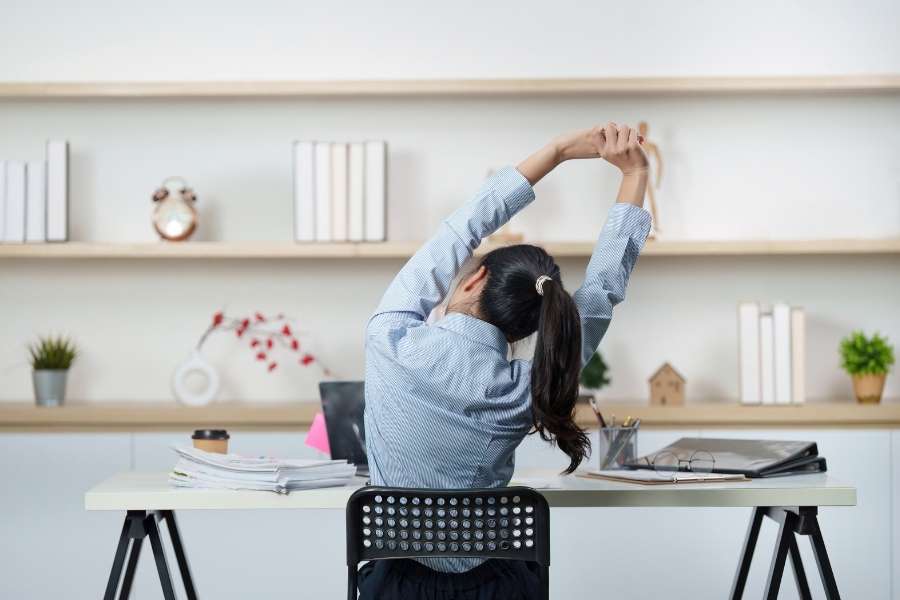
Muscular strain sneaks up on you during a busy afternoon. You might notice your shoulders rising toward your ears. You might also bite down hard while typing an email. Doing a body scan builds powerful awareness of your physical state. Starting your day with mindful movement like morning yoga habits helps keep your posture relaxed and flexible. It shows you how to release physical tension stored in the body without any extra tools.
To start a quick scan, sit comfortably with both feet on the floor. Close your eyes and breathe slowly through your nose. Move your attention from the top of your head down to your toes. Notice where your body feels tight or strained. Deliberately soften those tight spots every time you exhale. This practice breaks the continuous habit of clenching muscles.
Follow these simple steps whenever you need a quick midday break:
- Locate the strain: Pay close attention to your neck, back, or jawline.
- Flex gently: Hold the tight muscle firm for about 5 seconds.
- Release fully: Exhale slowly and let the muscle drop completely soft.
- Feel the warmth: Notice fresh blood flow entering the relaxed muscle tissue.
Regular physical check-ins help you catch tightness early. You will not have to wait for a headache to force a pause. Releasing small pockets of tightness keeps your body fluid and comfortable.
Optimize Daily Movement to Restore mental peace
Our bodies are built for frequent, gentle movement. Sitting still at a desk for hours causes stiff muscles and mental fatigue. Pairing stasis with screen glare creates a bad environment for your health. Luckily, light exercise offers one of the best natural ways to lower cortisol levels during work hours. Walking or light stretching flushes out stress hormones while boosting helpful endorphins.
Stepping outside into natural morning sunlight also improves your body clock. Bright light boosts serotonin production to lift your mood. It sets a solid foundation for genuine mental peace throughout your day. A short 10-minute stroll during lunch resets stiff joints faster than coffee. It clears brain fog and loosens tight hips easily.
Here is how simple movement habits help your body recover during busy workdays:
| Activity Choice | Recommended Duration | Main Working Mechanism | Key Body Advantage |
| Brisk Outdoor Walk | 15 to 20 minutes | Cortisol clearance and light exposure | Enhances mood and overall circulation |
| Desk Stretches | 5 minutes every hour | Joint movement and posture fixes | Soothes neck and upper back tightness |
| Restorative Yoga | 10 to 15 minutes evening | Deep fascia release and calm signals | Improves sleep quality and muscle ease |
Balancing tough tasks with short movement breaks preserves your vitality. You return to your desk with clear lungs and relaxed muscles. Taking brief physical breaks is not a waste of working time. It is an investment in your personal health and focus.
Create calming techniques for Better Nighttime Recovery
How you spend your evening dictates how your body recovers. Switching directly from work tasks to bed keeps your brain alert. This delay prevents deep, restful sleep when you need it most. Using simple calming techniques before bed creates a clear boundary between work and rest. Dimming bright lights, closing laptop screens, and drinking warm herbal tea signals safety to your brain.
Quality sleep remains the best natural remedy for physical recovery. Good rest lowers systemic inflammation and repairs worn muscle tissue. When sleep quality drops, daily physical tension increases very quickly. Minor obstacles suddenly feel far more overwhelming than they really are. A simple wind-down routine quiets an active mind for better rest.
Try these simple bedtime habits to build an effective evening routine:
- Screen break: Turn off work notifications 60 minutes before going to sleep.
- Warm bath: Take a warm shower to relax tight, tired muscles.
- Mindful notes: Write down lingering thoughts to clear out mental clutter.
- Gentle poses: Practice light seated stretches to relax your central nervous system.
Protecting your evening hours ensures you wake up feeling renewed and sharp. Consistently honoring rest builds lasting resilience against heavy fatigue. Small habits compound over time to create an active, healthy life.
FAQ
How quickly can breathing exercises help reduce stress?
Deep breathing exercises begin lowering your heart rate within two to three minutes. Techniques like the 4-7-8 method switch your nervous system into a relaxed state. They provide fast relief and restore clarity during tense moments.
Why does mental stress cause physical tension in the shoulders and neck?
When you feel stressed, your body triggers an automatic survival response. It tightens key muscle groups to shield you from potential danger. Continuous mental pressure keeps your neck and shoulders clenched, causing persistent discomfort.
What is the best time of day to practice a body scan?
You can practice a body scan whenever you feel tight or overwhelmed. It works great during afternoon breaks to release stored work strain. Doing a scan in bed also quiets an active mind for sleep.
Can light walking really lower cortisol levels?
Yes, light outdoor walking helps clear excess cortisol from your blood. Unlike hard workouts, gentle walking does not trigger extra physical stress. It relaxes your nervous system and improves your overall mood naturally.