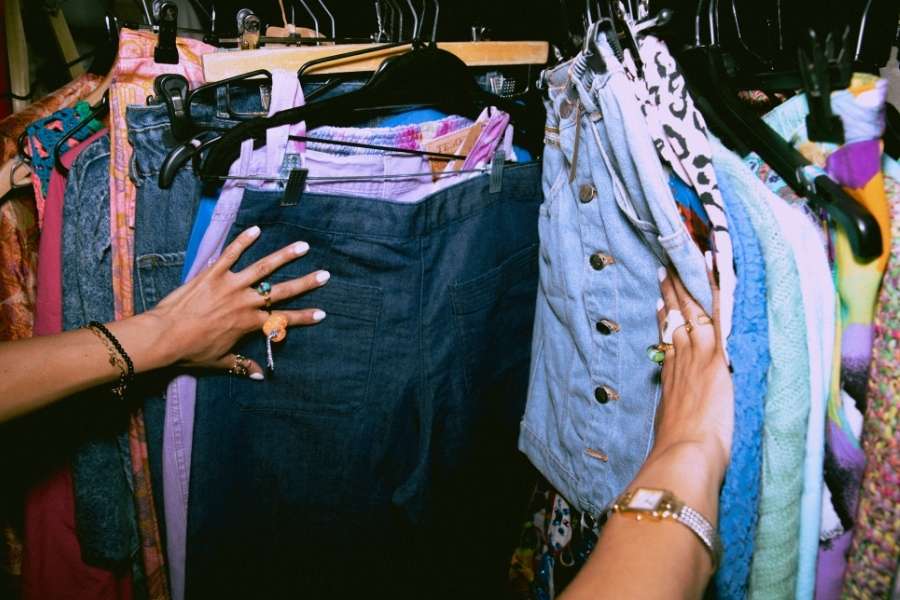
Fast fashion fills landfills with cheap, disposable items. Every year, clothing production wastes massive amounts of resources. You can fight this cycle by building an eco-friendly closet. Making intentional choices changes how you view fashion. Your personal wardrobe can match your green values.
Choosing clean materials is the vital first step. Traditional textiles rely on heavy chemical processing. Synthetic fibers like polyester shed harmful microplastics. True conscious consumerism means selecting high-quality garments. Better choices today create a cleaner world tomorrow. Let us look at the best textiles available now.
Breaking Down the Top Sustainable Fabrics for Your Wardrobe
Every sustainable material offers unique benefits for the Earth. Understanding these options helps you shop smarter. You can easily find clothing that protects natural resources. Even your base layers can be eco-friendly if you seek out a proper lingerie fitting guide for perfect support and comfort made from green materials.
The Pure Comfort of Organic Cotton
Conventional cotton farming uses heavy synthetic fertilizers. These toxic chemicals destroy local soil health. They also poison essential freshwater sources worldwide. Choosing organic cotton eliminates these dangerous inputs. This pure material grows using entirely natural methods. It keeps agricultural workers safe from harm. No chemical residue remains on the finished garments.
This textile is perfect for daily wardrobe staples. It makes wonderful basic t-shirts and durable jeans. The fabric feels naturally soft against your skin. It lasts much longer than standard cotton fibers. Long-lasting garments prevent waste from entering landfills. Buying organic items saves money over time. It is a massive victory for our planet.
Linen Is Nature’s Coolest and Most Durable Gift
Linen comes from the resilient flax plant. Flax thrives even in poor soil conditions. It requires very little water to grow well. Farmers rarely need to use chemical pesticides. The entire flax plant is utilized during production. This complete efficiency leaves zero waste behind. Pure linen is completely biodegradable. It returns safely to the earth eventually.
| Environmental Metric | Conventional Cotton | Natural Linen Fabric |
| Water Consumption | Extremely High | Minimal / Rainwater Only |
| Pesticide Dependency | Heavy Chemical Use | Almost Zero |
| Biodegradability | Slow (If Chemically Treated) | Very Rapid and Complete |
| General Lifespan | Short to Medium | Exceptionally Long-Lasting |
This material keeps you cool in hot weather. It is one of the best sustainable materials for summer outfits. The fabric naturally pulls moisture away from you. Air circulates freely through the loose weave. It features a beautiful, relaxed surface texture. The fiber becomes softer with every single wash. Natural wrinkles add to its effortless charm.
The Versatile World of Recycled Materials
We must address the massive waste already created. Clothing made from recycled materials helps solve this. Creative brands transform trash into pristine new textiles. They collect plastic bottles and old fishing nets. They melt these items down completely. Then, they spin them into fresh yarn. This process keeps plastic out of oceans.
Using recycled fibers requires far less energy. It gives a second life to synthetic waste. This practice supports a clean circular economy. Many activewear brands use recycled nylon now. It offers great stretch for intense workouts. You can exercise while reducing global waste.
Understanding the Debate Around Bamboo Fabric
Bamboo grows incredibly fast without any pesticides. It needs very little water compared to trees. However, turning stalks into fabric is difficult. The common chemical process uses harsh solvents. These liquids can harm factory workers severely. This traditional fabric is called bamboo viscose.
Fortunately, a cleaner manufacturing process exists today. Look for brands using closed-loop lyocell processing. This method reuses almost all chemical solvents. The result is a premium sustainable textile. This fabric feels incredibly silky and light. It naturally resists odor-causing bacteria well. You can wash these garments less frequently.
Practical Steps to Build an Eco-Friendly Closet
You do not need to discard current clothes. The greenest garments are already in your drawers. True sustainability means changing your shopping habits. Focus on buying fewer pieces overall. For example, you can discover versatile blazer styling ideas beyond traditional office wear looks to maximize your outfits. Let us look at realistic wardrobe changes.
Mastering Conscious Consumerism Every Day
The core of ethical clothing is slowing down. Before buying new items, pause and think. Will you wear this piece thirty times? Does it match your current outfits? Avoid buying clothes just because of sales. Cheap items carry high environmental costs. Someone always pays for cheap production.
Focus on building a versatile collection. A small capsule wardrobe makes dressing simple. It reduces daily decision fatigue significantly. High-quality items do not need frequent replacement. This shift breaks the fast fashion cycle. You will own pieces you truly cherish.
How to Identify Eco-Friendly Clothing Labels
Greenwashing is a huge modern marketing problem. Brands use vague words to seem green. You must look for independent certifications. These trusted labels verify environmental claims honestly. They check organic origins and labor standards.
| Eco-Label Name | Primary Focus Area | Guarantee to Consumers |
| GOTS | Organic Fibers & Social Criteria | At least 70% certified organic fibers used |
| OEKO-TEX Standard 100 | Chemical Safety for Consumers | Finished fabric contains zero harmful toxins |
| Fair Trade Certified | Human Rights & Fair Wages | Safe working conditions and fair pay for workers |
Look for these logos when shopping. They give you confidence before buying. Certified brands share clear supply chain data. They protect ecosystems and garment workers. Checking labels avoids deceptive corporate tricks.
The Beautiful Benefits of Wearing Sustainable Fabrics in Daily Life
Choosing eco-friendly materials improves your daily routine. Natural fibers breathe better than cheap synthetics. They regulate your body temperature beautifully. This prevents the sticky feeling of polyester. Your skin will appreciate the change. Organic textiles lack irritating chemical residues.
Investing in quality saves money long term. Natural fibers are incredibly tough and resilient. They do not pill or tear easily. Your clothes maintain their shape for years. This stops the need for constant replacements. You enjoy wearing truly luxurious garments. You also gain peace of mind daily.
Your Guide to Transition to a Fully Sustainable Wardrobe
Moving to a green wardrobe takes time. Start by organizing your current closet. Take excellent care of the pieces you own. Learn basic clothing repair skills quickly. Fixing a loose button extends garment life. Proper care keeps clothes looking new.
Choose sustainability when buying new things. Check secondhand shops and vintage stores first. Buying pre-owned items protects natural resources. If you buy new, support ethical brands. Select versatile pieces made from pure fibers. Your wardrobe will support global healing.
FAQ
What is the single most sustainable fabric option available today?
No single fabric works for every need. Organic linen and hemp are excellent options. They require minimal water and zero pesticides. The best choice depends on the garment type. Recycled synthetics work best for activewear. Organic cotton suits daily casual wear perfectly.
How can I be sure a fashion brand is not greenwashing?
Do not trust vague marketing words alone. Look for verified third-party certifications instead. Check for labels like GOTS or Fair Trade. Honest companies share clear factory details. They publish specific data about their impacts. Be careful if information is hidden.
Are eco-friendly clothes always more expensive to buy?
Sustainable garments cost more upfront than fast fashion. This price ensures fair worker wages globally. However, these durable pieces last much longer. You save money by buying fewer items. You can also find bargains secondhand. Thrift stores offer great vintage pieces.
How do synthetic recycled materials help the environment?
Recycled synthetics keep plastic out of ecosystems. They turn old bottles into useful fabric. This process requires much less energy overall. It reduces global reliance on crude oil. It gives purpose to existing plastic waste.
Can I recycle my old clothes when they wear out?
Recycling depends on the exact fiber blend. Garments made of 100% natural fibers compost easily. Mixed synthetic blends are difficult to recycle. Always check the care tag first. Try repairing items before discarding them.