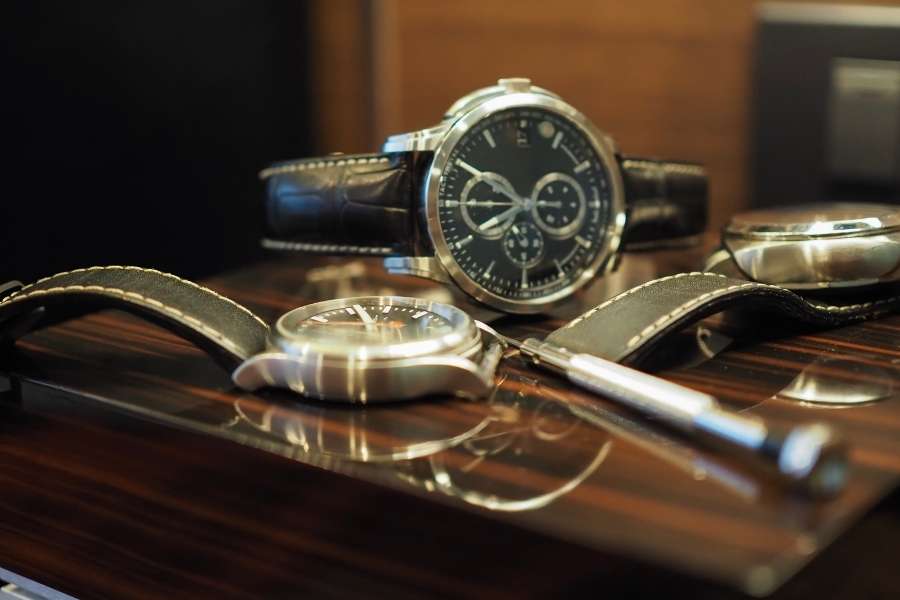
Watch selection becomes an art form when you understand the fundamental relationship between your wrist and your timepiece. Think of it like finding the perfect dance partner. Your wrist sets the rhythm, and your watch needs to move in harmony with it. Too big, and you look like you borrowed your father’s timepiece. Too small, and your watch disappears like a whisper in a thunderstorm.
The truth is, most people approach watch buying with their eyes rather than their measurements. They fall in love with a stunning chronograph in a display case, only to discover it overwhelms their wrist like an oversized dinner plate. Or they choose a delicate dress watch that gets lost on their arm like a postage stamp on a billboard. The secret lies in understanding your wrist’s unique proportions and letting them guide your choices.
Your wrist size doesn’t just determine comfort. It influences how others perceive your style, your attention to detail, and even your confidence. A properly sized watch whispers sophistication, while a poorly fitted one shouts inexperience. The difference between looking polished and looking awkward often comes down to a few millimeters.
Understanding Your Wrist: The Foundation of Smart Watch Selection
Before diving into specific timepieces, you need to become intimate with your wrist’s dimensions. Your wrist isn’t just a circle. It’s an ellipse with varying heights, widths, and curves that affect how different watches will sit and look.
Wrist circumference serves as your starting point, but it’s not the whole story. Measure your wrist where you typically wear a watch, using a flexible measuring tape or a strip of paper you can mark and measure later. Most men’s wrists fall between 6.5 and 8 inches, while women’s typically range from 5.5 to 7 inches. But these numbers only tell part of your story.
Wrist shape matters just as much as size. Some wrists are perfectly round, others more oval. Some are bony and angular, others soft and fleshy. A chunky sports watch might look fantastic on a thick, muscular wrist but appear clunky on a thin, bony one. Conversely, a slim dress watch could look elegant on a narrow wrist but get lost on a broader one.
The flat top measurement of your wrist provides crucial information for watch case selection. This measurement, taken from the top of your wrist bone to bone, determines the maximum case width that will look proportionate. A watch case should never extend beyond the edges of your wrist’s flat top. When it does, it creates visual imbalance and physical discomfort.

Small Wrists and Strategic Watch Selection Choices
Small wrists, typically measuring 6.5 inches or less in circumference, require thoughtful watch selection strategies. The challenge isn’t finding watches that fit. It’s finding watches that enhance rather than overwhelm your proportions.
Case diameter becomes your most important consideration. Watches between 34mm and 40mm typically work best for smaller wrists. But don’t get trapped by diameter alone. A 38mm watch with thick lugs might wear larger than a 40mm watch with integrated lugs. The overall visual weight matters more than the raw measurement.
Lug-to-lug distance often proves more critical than case diameter for small wrists. This measurement determines how the watch sits on your wrist’s curve. If the lugs extend beyond your wrist’s edges, the watch will rock back and forth, creating gaps and discomfort. Look for watches with curved lugs or shorter lug-to-lug distances, typically under 48mm for most small wrists.
Thickness plays a subtle but important role in proportional watch sizing. Ultra-thin watches can look elegant on small wrists, but they shouldn’t disappear entirely. A thickness between 8mm and 12mm usually provides the right presence without overwhelming smaller proportions. Thicker cases can work if they’re paired with smaller diameters and well-integrated lugs.
Strap selection can dramatically impact how a watch looks and feels on small wrists. Thin leather straps or metal bracelets with smaller links help maintain proportional balance. Wide, chunky straps can make even appropriately sized cases look oversized. Consider straps that taper from the lugs to the buckle, creating visual flow that complements smaller wrists.
Medium Wrists: The Sweet Spot for Watch Selection Flexibility
Medium wrists, ranging from 6.5 to 7.5 inches, enjoy the greatest flexibility in timepiece selection. You’re in the Goldilocks zone where most watches will fit reasonably well, but that doesn’t mean every watch will look its best on your wrist.
Case diameter options expand significantly for medium wrists. Watches from 36mm to 42mm typically work well, giving you access to most dress watches, sports watches, and casual timepieces. But size flexibility shouldn’t override style considerations. A 42mm dive watch might fit your wrist perfectly but look out of place with business attire.
The beauty of medium wrists lies in their versatility for different watch styles and occasions. You can wear a sleek 38mm dress watch for formal events and switch to a robust 41mm sports watch for weekends. This flexibility allows you to build a more diverse collection without worrying about fit issues.
Lug-to-lug measurements between 46mm and 52mm usually work well for medium wrists. This range accommodates most standard watch designs while ensuring comfortable wear. You have more freedom to choose watches based on style preferences rather than fit limitations.
Thickness considerations become more flexible with medium wrists. You can wear everything from ultra-thin dress watches under 8mm to substantial tool watches over 15mm thick. The key is matching thickness to your lifestyle and style preferences rather than worrying about proportional limits.
Medium wrists also handle bracelet and strap variety exceptionally well. From thin leather dress straps to robust metal bracelets, most options will look proportionate and feel comfortable. This versatility extends your styling options significantly.
Large Wrists and Bold Watch Selection Strategies
Large wrists, measuring 7.5 inches and above, face unique challenges in watch selection and sizing. The watch market skews toward smaller sizes, often leaving those with substantial wrists feeling overlooked. But large wrists can wear watches that would overwhelm others, opening doors to bold, statement timepieces.
Case diameter should start at 40mm for most large wrists, with many looking best in 42mm to 45mm cases. But bigger isn’t always better. A well-proportioned 42mm watch often looks more elegant than a massive 47mm piece that screams for attention. The goal is presence, not dominance.
Substantial case construction matters more than raw diameter for large wrists. A thick, well-built 42mm watch can have more visual weight than a thin 45mm piece. Look for watches with robust cases, substantial crowns, and well-integrated pushers. These details create the visual mass that large wrists need without resorting to comic book proportions.
Lug-to-lug measurements above 50mm work well for most large wrists, with some accommodating up to 55mm comfortably. The key is ensuring the watch doesn’t hang over your wrist’s edges. A watch that extends beyond your wrist bones will look awkward and feel unstable.
Large wrists can handle significant thickness without looking disproportionate. Watches from 12mm to 18mm thick often look perfectly balanced on substantial wrists. This thickness tolerance opens access to complex movements, robust tool watches, and vintage-inspired pieces with dome crystals.
Bracelet and strap sizing becomes crucial for large wrists. Standard straps often fall short, requiring extended or custom options. Metal bracelets need additional links, and leather straps might need longer versions. Factor these potential additional costs into your watch purchase decisions.
Professional Watch Selection for Different Occasions
Your lifestyle demands different watches for different moments. The watch that commands respect in boardrooms might look pretentious at weekend barbecues. Understanding occasion-appropriate watch selection helps you build a versatile collection that serves all aspects of your life.
Business and formal occasions call for understated elegance. Dress watches with clean dials, minimal complications, and refined cases project professionalism without distraction. Case sizes should lean conservative, typically between 36mm and 40mm, regardless of wrist size. Leather straps in black or brown complement formal attire better than metal bracelets.
Casual and weekend wear allows more personality in your timepiece choices. Sports watches, dive watches, and casual pieces can be more substantial and feature-rich. This is where larger wrists can embrace bigger cases, and smaller wrists can experiment with colorful straps or unique dial designs.
Active and sports activities require robust watch construction above all else. Water resistance, shock resistance, and legibility matter more than aesthetics. But that doesn’t mean compromising on fit. A poorly fitting sports watch becomes a liability during physical activity.
Common Watch Selection Mistakes and How to Avoid Them
Even experienced watch enthusiasts make sizing mistakes that diminish their timepiece’s impact. Learning to recognize and avoid these pitfalls improves your watch buying decisions significantly.
Ignoring proportional balance represents the most common error. Falling in love with a specific model without considering how it complements your wrist leads to purchases you’ll regret. Always prioritize fit over infatuation.
Focusing solely on diameter while ignoring other dimensions creates fit problems. A watch with perfect diameter but excessive thickness or long lugs will never wear comfortably or look proportionate.
Buying for trends rather than personal fit results in watches that quickly feel dated or uncomfortable. Classic watch proportions endure because they work across different wrist sizes and style preferences.
Overlooking strap and bracelet fit can ruin an otherwise perfect watch. Straps that are too wide or too narrow throw off the entire aesthetic. Bracelets that don’t fit properly create comfort issues and visual imbalance.
Final Thoughts: Making Your Perfect Watch Selection
Your perfect watch exists at the intersection of personal style, proper fit, and practical needs. Watch selection isn’t about following rigid rules. It’s about understanding how different elements work together to create harmony between your timepiece and your wrist.
Remember that watches are personal expressions worn on your body. The most expensive or prestigious watch means nothing if it doesn’t fit your lifestyle, complement your wrist, or make you feel confident wearing it. Take time to try different options, measure carefully, and choose pieces that truly resonate with who you are.
The watch world offers incredible diversity in sizes, styles, and designs. Your wrist size doesn’t limit your options. It simply guides you toward choices that will look and feel their best. Whether your wrist is petite or substantial, the right watch is waiting to become part of your story.