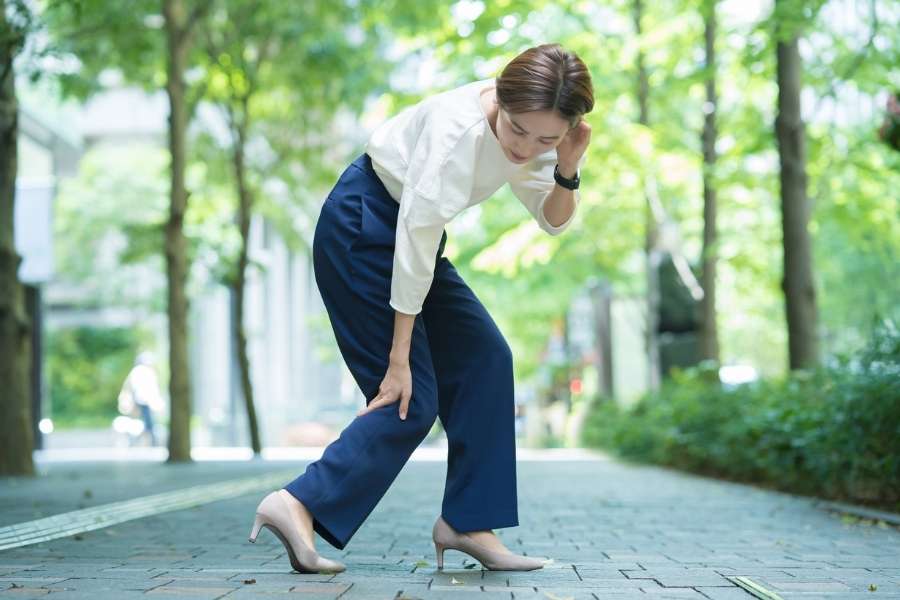
High Heel Walking Techniques can transform your stride from wobbly uncertainty to graceful confidence. You’ve probably watched someone glide effortlessly across a room in towering stilettos and wondered how they make it look so natural. The secret isn’t magic or supernatural balance. It’s mastering the right techniques that turn high heel walking into an art form rather than a balancing act.
Every woman deserves to feel powerful and poised in her favorite pair of heels. Whether you’re preparing for a job interview, wedding, or simply want to elevate your everyday style, learning proper heel walking techniques opens doors to both comfort and confidence. The difference between struggling and strutting lies in understanding how your body moves and adapts to elevated footwear.
Think of learning to walk in heels like mastering any other skill. You wouldn’t expect to play piano beautifully on your first try, would you? The same principle applies to confident heel walking. With patience, practice, and the right guidance, you can develop the poise that makes heads turn for all the right reasons.
Understanding Your Foundation: High Heel Walking Techniques Basics
Before diving into advanced movement patterns, you need to grasp the fundamental mechanics of heel stability techniques. Your feet become the foundation of an entirely different posture when elevated by heels. The higher the heel, the more your weight shifts forward onto the balls of your feet.
This forward weight distribution changes everything about how you move. Your center of gravity shifts, requiring adjustments in posture, stride length, and muscle engagement. Understanding these changes helps you work with your body rather than against it.
Proper heel posture begins with alignment from the ground up. Your ankles, knees, hips, and shoulders must work together as a coordinated system. When one element falls out of alignment, the entire structure becomes unstable, leading to discomfort and potential injury.
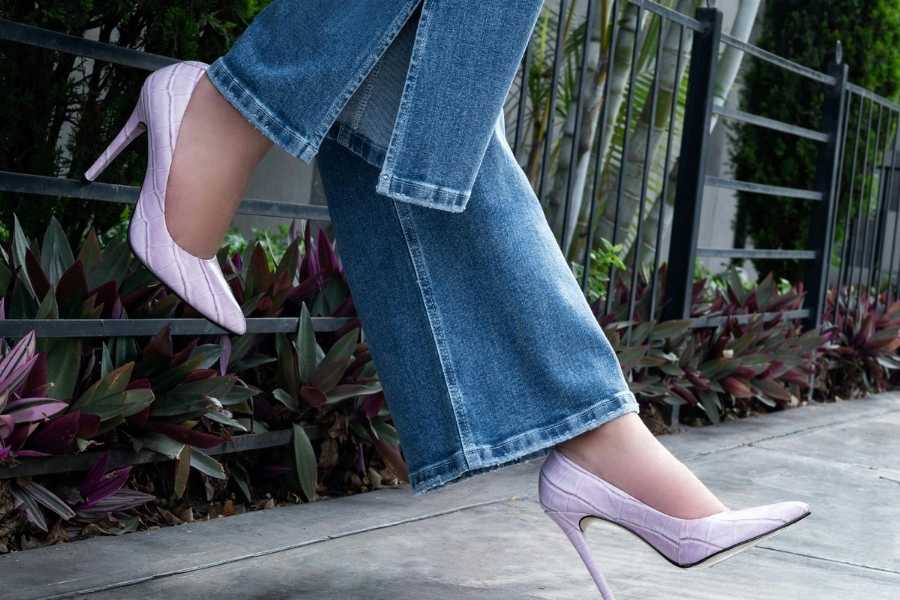
Choosing the Right Heel Height for Your Skill Level
Starting with manageable heel heights sets you up for success with beginner heel walking tips. If you’re new to heels, begin with a 2-inch block heel rather than jumping straight to 4-inch stilettos. Block heels provide more surface area for stability, making them ideal for building confidence.
Gradual heel height progression allows your muscles and balance systems to adapt naturally. Your calf muscles, ankles, and core need time to develop the strength required for higher elevations. Rushing this process often leads to pain, instability, and negative associations with heel wearing.
Consider your daily activities when selecting heel heights. Office environments might call for moderate heels that you can wear comfortably for eight hours. Special events might warrant higher heels for shorter durations. Matching your heel choice to your activity level prevents unnecessary discomfort.
Mastering the Art of High Heel Walking Techniques
Elegant heel walking starts with understanding stride mechanics. Unlike flat shoe walking, heel walking requires shorter, more deliberate steps. Long strides in heels create instability and increase the risk of catching your heel or losing balance.
Your heel should touch the ground first, followed by a smooth roll onto the ball of your foot. This heel-to-toe motion creates fluid movement that looks natural and feels stable. Avoid flat-footed steps or toe-first landings, which appear awkward and strain your muscles unnecessarily.
Controlled heel movement involves engaging your core muscles throughout each step. Think of your core as the command center that coordinates all movement. A strong, engaged core provides the stability needed for graceful heel walking, reducing reliance on your feet and ankles alone.
Developing Your High Heel Walking Techniques Practice Routine
Daily heel walking practice doesn’t require hours of commitment. Start with 10-15 minute sessions at home, gradually increasing duration as your comfort improves. Practice on different surfaces to build adaptability and confidence in various environments.
Begin each practice session with heel walking warm up exercises. Simple ankle circles, calf raises, and balance poses prepare your muscles for the demands of heel walking. These exercises also help identify any tension or stiffness that might affect your performance.
Create practice scenarios that mirror real-world situations. Practice walking on carpet, hardwood, and tile surfaces. Include movements like turning, stopping, and starting, as these transitions often challenge balance more than straight-line walking.
Advanced High Heel Walking Techniques for Confidence
Professional heel walking requires mastering the art of weight distribution. Advanced practitioners learn to shift weight seamlessly between feet, creating smooth transitions that appear effortless to observers. This skill development takes time but transforms your entire presence.
Graceful heel turns demand special attention to body mechanics. Instead of pivoting on your toes, use small stepping motions to change direction. Keep your movements controlled and deliberate, avoiding sudden directional changes that could compromise your balance.
Stair navigation in heels presents unique challenges that require modified techniques. Take stairs one at a time, using handrails for support when available. Place your entire foot on each step rather than just the ball of your foot, providing maximum contact and stability.
Building Endurance with High Heel Walking Techniques
Long distance heel walking requires conditioning both your muscles and your feet. Start with short distances and gradually increase as your stamina improves. Listen to your body and take breaks when needed, as fatigue increases the risk of missteps and injuries.
Heel walking stamina develops through consistent practice and proper preparation. Strengthening exercises for your calves, ankles, and core muscles support longer wearing periods. Additionally, proper foot care and quality footwear contribute significantly to endurance levels.
Consider incorporating heel walking exercises into your regular fitness routine. Balance board training, yoga poses, and targeted strengthening exercises all contribute to improved heel walking ability. These supplementary activities accelerate your progress and reduce the learning curve.
High Heel Walking Techniques for Different Occasions
Business heel walking requires a different approach than party or evening wear. Professional settings demand sustained comfort and confidence throughout long workdays. Choose moderate heel heights and prioritize comfort features without sacrificing style.
Event heel walking allows for higher, more dramatic styles since wearing duration is typically shorter. Focus on making strong first impressions while maintaining comfort for the duration of your event. Practice your specific event movements beforehand, including dancing or extended standing.
Casual heel walking bridges the gap between comfort and style for everyday activities. These situations offer perfect opportunities to practice and refine your techniques in low-pressure environments. Build your skills gradually through regular casual wear.
Adapting High Heel Walking Techniques to Different Surfaces
Outdoor heel walking presents unique challenges including uneven surfaces, grass, and weather conditions. Develop strategies for navigating these environments safely, such as choosing appropriate heel styles and planning your routes carefully.
Indoor heel walking on various floor types requires surface-specific adaptations. Smooth surfaces like marble or polished concrete demand extra caution, while carpeted areas might challenge your balance differently. Practice on diverse surfaces to build comprehensive skills.
Weather appropriate heel walking involves understanding how conditions affect both your shoes and your footing. Wet surfaces, cold temperatures, and windy conditions all impact your stability and require adjusted techniques for safe navigation.
Troubleshooting Common High Heel Walking Techniques Challenges
Heel walking balance issues often stem from improper weight distribution or inadequate core engagement. Focus on centering your weight over your feet and maintaining consistent core activation throughout your movements. Practice balance exercises to strengthen your proprioceptive systems.
Pain free heel walking requires attention to both technique and equipment. Proper sizing, quality construction, and appropriate heel styles for your foot shape all contribute to comfort. Additionally, using supportive inserts and taking regular breaks helps prevent discomfort.
Confident heel posture develops through consistent practice and mindset work. Stand tall with shoulders back, engage your core, and move with intention. Your mental approach significantly impacts your physical performance, so cultivate positive associations with heel wearing.
Recovery and Maintenance for High Heel Walking Techniques
Post heel walking care helps prevent soreness and maintains foot health. Gentle stretching, foot massage, and proper hydration support recovery after extended heel wearing. Develop post-wearing routines that help your body transition back to flat surfaces comfortably.
Heel walking injury prevention involves recognizing warning signs and respecting your body’s limits. Sharp pains, persistent aches, or balance problems signal the need for rest or technique adjustments. Ignoring these signals can lead to more serious issues requiring professional treatment.
Long term heel health requires balancing heel wearing with proper foot care and strengthening activities. Regular pedicures, appropriate footwear rotation, and targeted exercises help maintain foot health while enjoying the confidence that comes with skilled heel walking.
The journey to mastering High Heel Walking Techniques transforms more than just your stride. You develop poise, confidence, and a sense of personal empowerment that extends far beyond footwear choices. Each step becomes an expression of your inner strength and grace.
Remember, every expert was once a beginner who refused to give up. Your high heel walking journey is uniquely yours, progressing at your own pace and celebrating small victories along the way. The confidence you build extends into every aspect of your life, creating ripple effects of positive change.
So, are you ready to take that first confident step and transform your relationship with high heels forever?