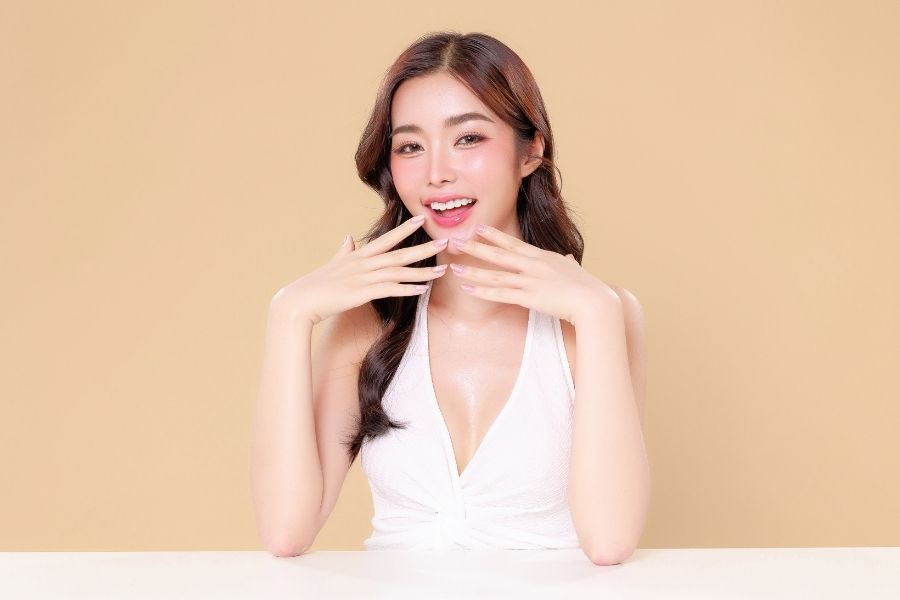
Korean vs Western cosmetics have been duking it out in what feels like the beauty battle of the century. You know that moment when you’re staring at two products, completely torn? That cute Korean cushion compact with the kawaii packaging versus your tried-and-true Western foundation that’s never let you down. It’s not just about picking a product anymore. We’re talking about two totally different worlds of beauty philosophy.
The whole beauty scene has been flipped upside down lately. Korean brands have basically invaded our makeup bags with their innovative K-beauty formulations and those infamous 10-step routines. Meanwhile, big Western beauty companies are scrambling to figure out what the heck just happened. But here’s the million-dollar question: which one actually works better on your face?
The Foundation Face-Off: Korean vs Western Cosmetics Coverage Revolution
Let’s get real about foundation for a hot second. Western foundation formulas have always been about that full-coverage, bulletproof situation. You know what I’m talking about. Those heavy-duty bases that could survive a zombie apocalypse without budging an inch. They’re packed with serious pigments that’ll cover everything from last night’s poor life choices to that zit that appeared overnight.
Korean foundations? They’re playing a completely different game. Instead of slapping on a mask, they want to enhance what you’ve already got. Lightweight K-beauty coverage feels more like skincare that happens to even out your skin tone. They throw in hyaluronic acid, niacinamide, and all sorts of fancy plant extracts right into the mix.
Performance Testing Results: Coverage and Longevity
Here’s where things get interesting. Lab tests show Western foundations crushing it in the coverage department, hitting 85-95% opacity in one swipe. Their long-wearing Western makeup formulas can handle whatever you throw at them for 10-14 hours straight. But there’s a catch. Your skin might feel like you’re wearing a face mask all day, and every little texture issue becomes super obvious.
Korean beauty foundation performance takes a different route to success. Sure, you’re looking at 60-80% coverage, but your skin actually looks like skin under different lighting. The crazy part? Korean formulas keep your skin 40% more hydrated throughout the day compared to their Western competitors.

Skincare Integration: Where Korean vs Western Cosmetics Philosophy Diverges
This is where things get really wild. Western beauty has always been about doing one thing at a time. Cleanse, treat, moisturize, then slap on your makeup like you’re building layers of a cake. It’s been the standard playbook forever.
Koreans basically said “hold my soju” and changed everything. Multifunctional K-beauty products don’t just sit pretty on your face. They’re actually working overtime to make your skin better while you’re wearing them. BB creams started this whole revolution, but now we’ve got formulas that are basically skincare superheroes in disguise.
The Science Behind Hybrid Formulations
Seoul National University did this mind-blowing study on 200 people. They found that Korean hybrid beauty formulations actually sink deeper into your skin layers. After six weeks of using Korean BB creams, people’s skin hydration jumped by 23%. Traditional Western foundations? Zero skincare benefits. Zilch.
Western makeup technology advancement is finally catching up though. Major brands are throwing SPF, antioxidants, and hydrating stuff into their foundations now. But Korean brands still have this secret weapon with their fermentation processes and weird botanical combinations that Western labs are still trying to crack.
Innovation Showdown: Korean vs Western Cosmetics Technology Race
Korean beauty moves faster than your friend who spotted a sale at Sephora. K-beauty innovation trends pop up every season like mushrooms after rain. They’re out here putting snail slime, bee venom, and fermented rice water in everything. Sounds gross? Maybe. Does it work? That’s the plot twist.
Western brands move like they’re carrying a backpack full of rocks. Western beauty technology research spends years testing everything to death before releasing anything. It’s like they’re afraid their foundation might accidentally cure cancer or something. Safe? Absolutely. Exciting? Not so much.
Ingredient Sourcing and Formulation Techniques
Korean brands are basically treasure hunters, scouring Asia for the weirdest, most effective ingredients they can find. Natural K-beauty ingredients get the full spa treatment through fermentation processes that make them work better. They’re taking ginseng, green tea, and random seaweed and turning them into skin magic.
Western cosmetics ingredient science sticks to the classics. Retinoids, peptides, acids that sound like chemistry class nightmares. These ingredients have PhD-level research backing them up, so you know exactly what you’re getting. Boring but reliable, like that friend who always shows up on time.
Price Performance Analysis: Korean vs Western Cosmetics Value Proposition
Here’s where your wallet starts paying attention. Affordable K-beauty alternatives are out here making $50 Western foundations look overpriced. That $15 Korean cushion might just school your expensive Western foundation in hydration and natural finish. It’s like finding out the corner taco truck beats the fancy restaurant downtown.
But wait, there’s more to this story. Premium Western cosmetics quality isn’t just about the fancy packaging (though let’s be honest, it’s pretty). They’ve mastered things like shade matching technology and creating textures that feel like silk. Plus, their shade ranges actually acknowledge that not everyone has the same skin tone.
Cost-Per-Use Calculations
Plot twist: Korean products are often so concentrated you need way less product per application. Cost-effective Korean beauty products stretch longer than that one friend who makes a single drink last all night. Western products might cost more upfront, but if you’re someone who likes full coverage, they might actually give you better bang for your buck.
Skin Type Compatibility: Korean vs Western Cosmetics Customization
Different skin types are like different personality types – what works for one might be a disaster for another. Korean skincare for sensitive skin usually wins because they’re gentler than a grandmother’s hug. Less fragrance, more hydration, and they actually care about not irritating your skin barrier.
Western cosmetics for oily skin are like that friend who always has their life together. Oil control technology, mattifying ingredients, and formulas that won’t budge even if you’re sweating bullets. They’ve got oily skin figured out like a science.
Climate Considerations and Performance
Here’s something nobody talks about: where these products were born matters. Korean beauty for humid climates makes perfect sense when you realize Seoul summers are basically living in a sauna. Lightweight, breathable formulas that won’t melt off your face? Genius.
Western makeup for dry climates evolved in completely different conditions. Less humidity, indoor heating that sucks the life out of your skin, different sun exposure. It’s like comparing winter coats to swimwear – both serve a purpose, just not the same one.